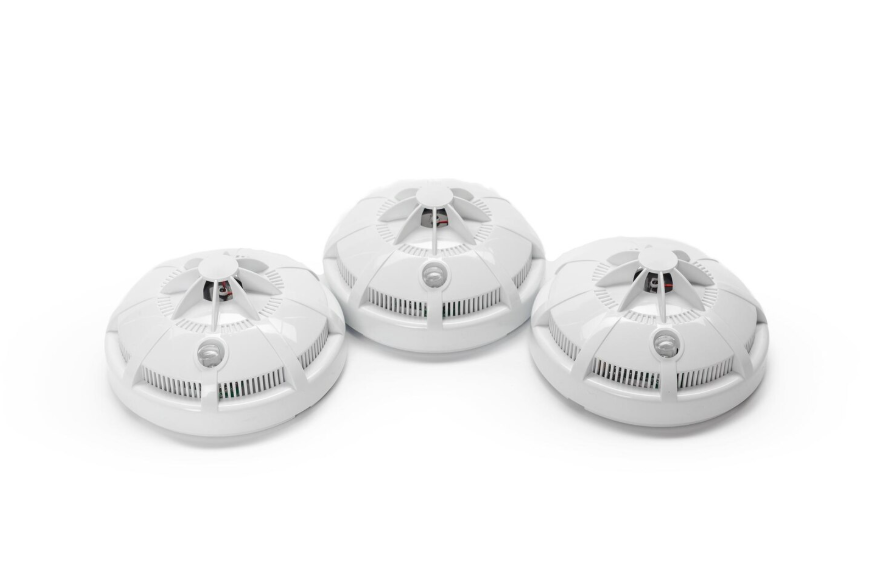
Minor adjustments in smoke and CO detector placement can make the difference between early warning and dangerous delay.
Smoke and carbon monoxide detectors save lives, but only when they’re placed correctly. Many homes technically have detectors installed, yet they’re positioned in ways that reduce effectiveness or delay alerts.
Proper placement isn’t about adding more devices; it’s about putting them where they can do their job fastest and most accurately.
Why Placement Matters More Than People Realize
Detectors don’t work like cameras that “see” an entire house. They respond to air movement, smoke patterns, and gas distribution.
Smoke rises, but not evenly. Carbon monoxide mixes with air and spreads differently depending on airflow and room layout. Poor placement can mean alerts arrive late—or not at all.
Installing detectors without understanding how they sense danger creates a false sense of security.
See Why You Should Restart Your Router More Often Than You Think for another overlooked safety habit.
Where Smoke Detectors Should Always Be Installed
Smoke detectors should be placed inside every bedroom and outside each sleeping area. This ensures alarms are heard quickly when people are most vulnerable.
At least one smoke detector should be installed on every level of the home, including basements. Fires can start anywhere, and smoke travels rapidly through stairwells and hallways.
In living areas, place detectors near, but not directly inside, kitchens to avoid false alarms while still detecting nearby fires early.
Check A 15-Minute Weekly Home Reset That Prevents Big Messes to stay proactive.
Where Smoke Detectors Should Not Be Placed
Avoid placing smoke detectors too close to cooking appliances, bathrooms, or heating vents. Steam and normal temperature fluctuations can trigger nuisance alarms.
Detectors should also not be placed in dead air spaces, such as corners where walls and ceilings meet. Airflow is limited, delaying detection.
Keeping detectors at least several inches away from corners and vents improves accuracy.
Understanding Carbon Monoxide Detector Placement
Carbon monoxide is odorless and invisible, making placement especially important. CO detectors should be installed outside sleeping areas, so alerts are heard during sleep.
They should also be placed on every level of the home, including basements, where fuel-burning appliances may be located.
Unlike smoke, CO mixes evenly with air so that detectors can be placed at knee height or higher, depending on manufacturer guidelines. Following the device instructions matters here.
Rooms That Deserve Special Attention
Any room with a fuel-burning appliance deserves consideration. This includes rooms with furnaces, water heaters, fireplaces, gas stoves, or attached garages.
CO detectors should not be placed directly next to these sources, as brief emissions during startup can cause false alarms. A short distance away allows for accurate detection of dangerous buildup.
Garages themselves should not contain detectors, but nearby interior spaces should.
Read Small Household Items That Quietly Raise Your Utility Bills to spot hidden risks.
Why Combination Detectors Require Extra Care
Combination smoke and CO detectors are convenient, but placement needs to account for both hazards.
Install these units in locations that satisfy both smoke and CO guidelines, typically outside bedrooms and on primary living levels.
Avoid placing combination units where smoke placement rules conflict with CO recommendations. When in doubt, separate detectors may provide better coverage.
Ceiling vs Wall Placement Explained
Smoke detectors perform best when mounted on ceilings, as smoke rises. If wall-mounted, they should be placed high enough to intercept smoke early.
CO detectors vary by design. Some are meant for wall mounting, others for outlets or tabletops. Always follow manufacturer recommendations.
Improper mounting height reduces effectiveness, even if the room choice is correct.
Common Placement Mistakes That Reduce Safety
One common mistake is relying on a single detector for the entire home. Distance matters. Both sound and detection delays increase with fewer units.
Another mistake is installing detectors without maintaining them. Dead batteries and expired sensors render perfect placement useless.
Placement and upkeep work together. One without the other fails.
Read The One-Touch Rule That Instantly Cuts Down on Clutter for another preventive home habit.
How to Check Your Current Setup
Walk through your home and note where detectors are placed relative to bedrooms, kitchens, appliances, and stairways.
Compare placement against current safety guidelines and manufacturer instructions. Adjusting locations often requires only a screwdriver and a few minutes.
If a detector is more than ten years old, replacement is usually recommended regardless of placement.
Why Correct Placement Creates Real Peace of Mind
Properly placed detectors don’t just comply with detector guidelines—they respond faster, reduce false alarms, and give earlier warnings.
That early warning creates time: time to wake up, time to respond, and time to get out safely.
When detectors are placed correctly, they quietly protect without demanding attention, exactly as safety tools should.