Understanding the source of hidden energy drains in your home makes it easier to reduce bills without sacrificing comfort.
High utility bills are often blamed on big-ticket items like heating systems or appliances. While those matters, many increases come from smaller household items that run constantly or inefficiently without drawing attention. These quiet energy users add up over time, raising costs without changing how your home feels day to day.
Why Small Energy Drains Go Unnoticed
Large appliances announce themselves. You hear them turn on, see them used, and associate them with energy consumption. Smaller devices operate silently in the background, often 24/7.
Because each one uses only a little power, they don’t feel significant on their own. The problem is accumulation. Dozens of small drains running continuously can cost as much as one major appliance.
The lack of feedback makes them easy to ignore.
See Why Setting a Weekly “Money Minute” Actually Works to catch small expenses early.
Devices That Stay On Even When You’re Not Using Them
Many electronics draw power even when turned off. Televisions, streaming boxes, game consoles, and sound systems often remain in standby mode, waiting for a signal.
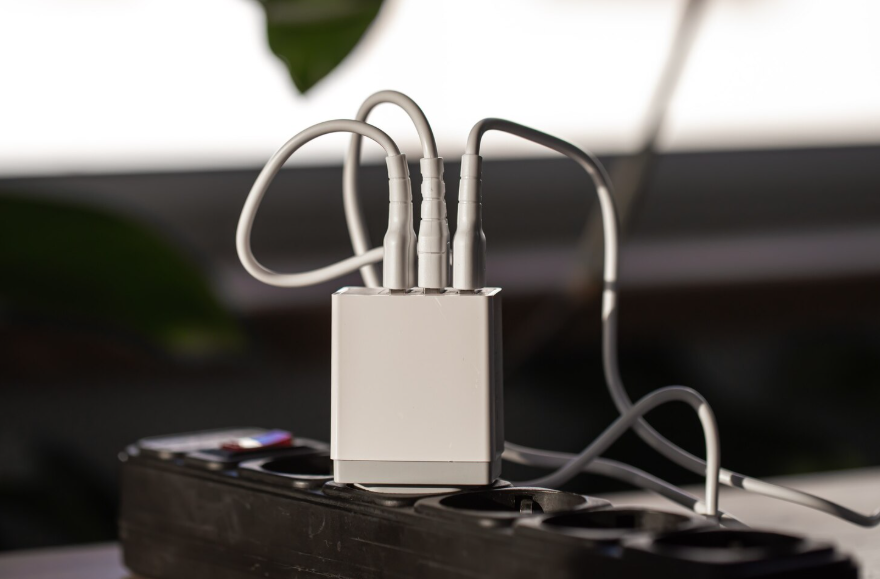
Chargers plugged into outlets also draw power even when no device is attached. Individually, the draw is small, but across multiple rooms, it adds up.
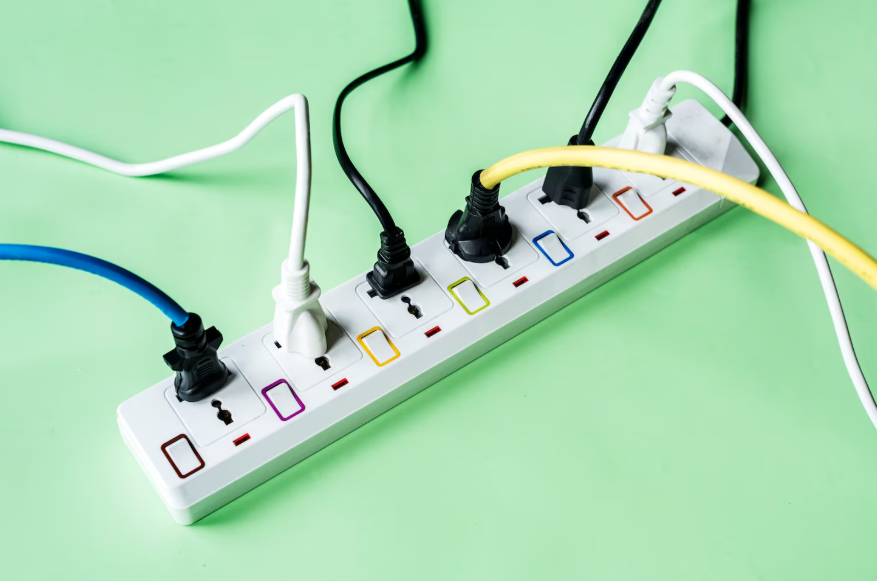
Unplugging unused devices or using a power strip to cut standby power can significantly reduce this waste.
Old or Inefficient Lighting Choices
Lighting has improved dramatically, but many homes still rely on outdated bulbs in less-used fixtures. Incandescent and halogen bulbs consume far more energy than modern LED alternatives.
Even if lights aren’t on all day, frequent short usage in hallways, bathrooms, and closets accumulates over time. Because bulbs last so long, outdated ones often remain simply because they haven’t burned out yet.
Switching these fixtures to LEDs is one of the fastest ways to reduce baseline energy use.
Explore Easy Things to Stop Buying That You Can Use at Home Instead to cut recurring household costs.
Appliances That Run More Than You Realize
Some household appliances cycle automatically. Refrigerators, freezers, dehumidifiers, and older water heaters turn on repeatedly throughout the day.
Poor maintenance increases the work these appliances have to do. Dirty refrigerator coils, overfilled freezers, or inefficient temperature settings increase energy consumption without improving performance.
Minor adjustments and occasional maintenance reduce electricity use and keep these appliances from quietly driving up costs.
Always-On Home Comfort Devices
Devices meant to improve comfort often run continuously. Fans, air purifiers, space heaters, and humidifiers can become permanent fixtures in the background.
When left on longer than needed, they draw steady power that rarely feels noticeable. Because they don’t cause discomfort when running, they’re often forgotten.
Using timers or adjusting run schedules can significantly reduce their impact without losing benefits.
Networking Equipment and Smart Devices
Modems, routers, and smart home hubs run continuously. While necessary, they often draw more power than expected, especially older models.
Smart devices like cameras, speakers, and displays add to the load. Each one is small, but together they form a constant baseline of energy use.
Placing networking equipment in efficient settings and removing unused smart devices helps control this hidden draw.
Learn Why You Should Restart Your Router More Often Than You Think for practical tips.
How Small Changes Lower Bills Over Time
Reducing these quiet hidden energy drains in your home doesn’t require turning your home into a low-energy experiment. It’s about awareness and minor adjustments.
Replacing inefficient bulbs, unplugging unused electronics, and setting better defaults reduce consumption without affecting daily routines. Over months, those reductions become visible on utility statements.
Lower bills often come from removing waste, not cutting comfort.
Check A 15-Minute Weekly Home Reset That Prevents Big Messes to stay ahead of small problems.
Making Energy Awareness a Habit
To keep energy usage in check, periodically walk through your home and look for devices that run without purpose. Ask whether they need to be on constantly.
Focus on one room at a time. Small wins add up quickly.
Once these habits become routine, your home runs more efficiently without constant effort or monitoring.