This approach works because perception drives comfort more than perfection.
A home doesn’t need to be spotless to feel clean. What most people respond to isn’t total cleanliness; it’s visual order, freshness, and the absence of obvious cues that signal mess.
Understanding how to make your home feel cleaner means focusing on high-impact resets rather than deep cleaning everything at once.
Why “Feeling Clean” Is Different From Being Clean
The brain judges cleanliness quickly. It scans for clutter, odors, and visual noise before registering details like dust or grout.
That’s why a room with clear surfaces feels cleaner than one with spotless floors but scattered items. Visual signals dominate emotional response.
By focusing on what the eye notices first, you get most of the benefit with far less effort.
Explore The ‘Landing Zone’ Trick That Keeps Entryways From Exploding With Clutter for controlling visible mess.
Clearing the Largest Visible Surfaces
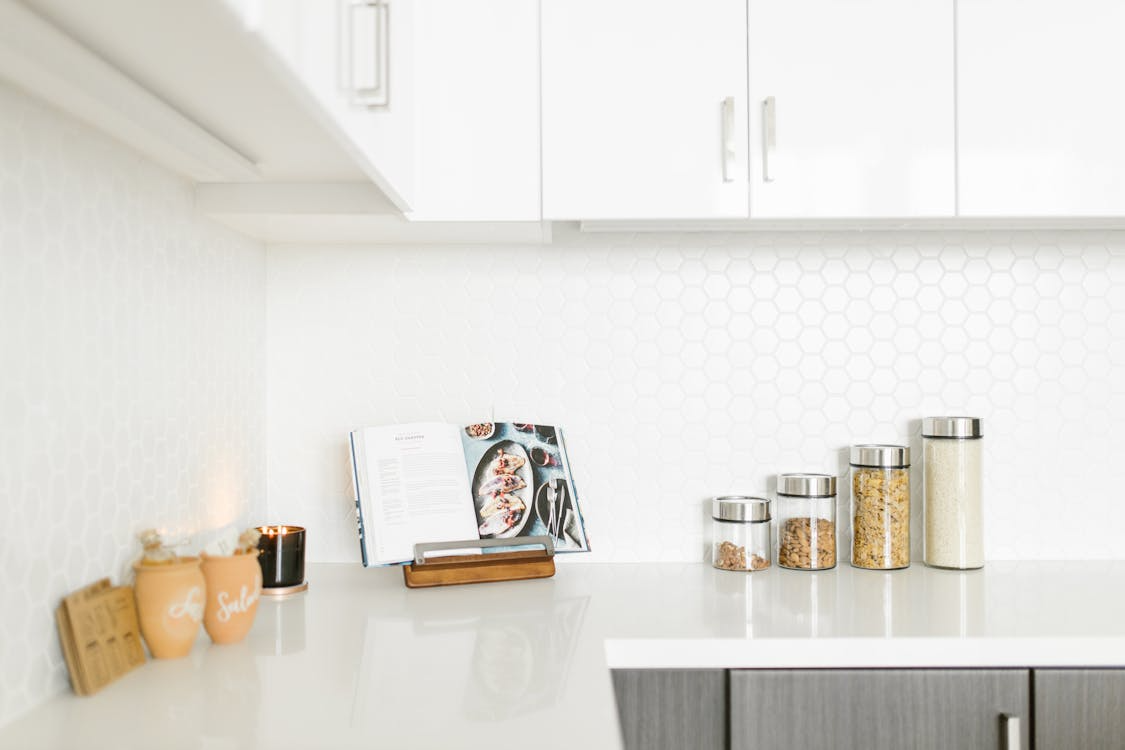
The fastest way to make a room feel cleaner is to clear its biggest surfaces. Counters, tables, desks, and floors act as visual anchors.
You don’t need to put everything away perfectly. Grouping items into trays, baskets, or a single container reduces visual clutter.
Once the surface reads as mostly clear, the entire room feels calmer—even if nothing else changed.
Read A 15-Minute Weekly Home Reset That Prevents Big Messes for simple maintenance routines.
Resetting One Room at a Time
Trying to improve the whole house at once leads to burnout. Focusing on one room creates visible progress quickly.
Choose the room you use most or the one you see first. Resetting that space changes how the entire home feels because it anchors your perception.
A single clean-feeling room can offset several imperfect ones.
Managing Smell for Instant Impact
Scent is a powerful cleanliness signal. Lingering odors make spaces feel dirty even when they’re not.
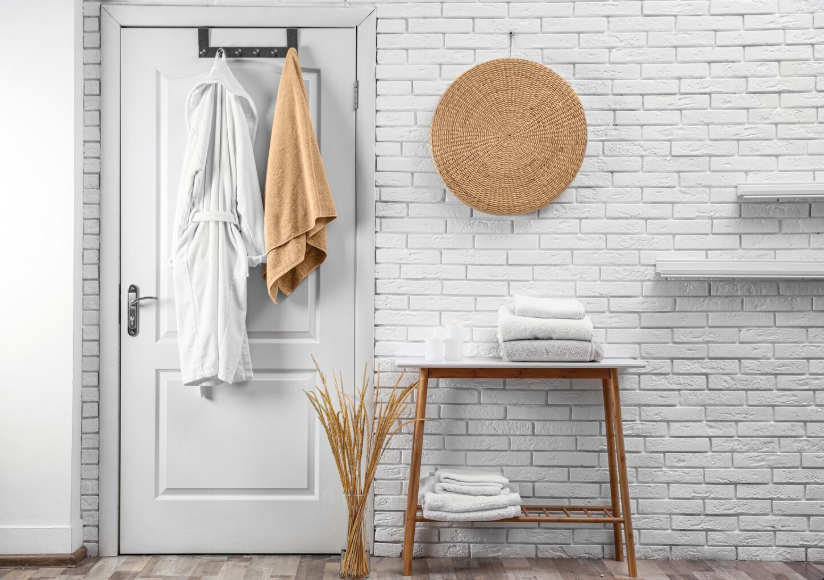
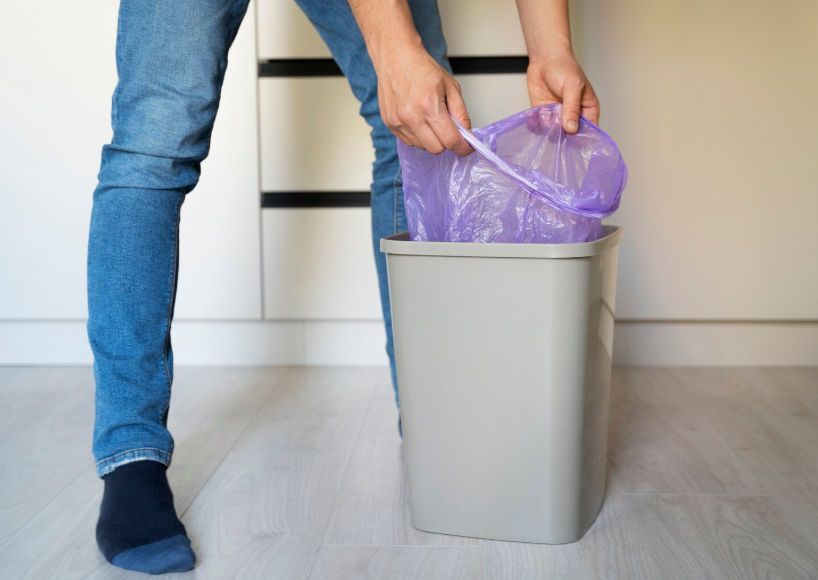
Opening windows briefly, taking out trash, and refreshing fabrics like towels or throws can dramatically change how a space feels.
You don’t need strong fragrances. Neutral, fresh air does more than scented sprays ever could.
See Easy Things to Stop Buying That You Can Use at Home Instead for simple household swaps.
Containing Instead of Organizing
True organization takes time. Containment takes seconds.
Putting loose items into a basket, drawer, or box creates instant order without requiring decisions. The mess still exists, but it’s visually resolved.
Containment is often enough to restore a sense of control, especially in busy households.
Light and Lighting Matter More Than You Think
Good lighting automatically makes spaces feel cleaner. Natural light highlights openness and reduces the appearance of clutter.
Turning on lamps, opening blinds, or switching to brighter bulbs can instantly improve how clean a room feels.
Dark, poorly lit spaces amplify mess, even when they’re tidy.
The Power of a Daily Micro-Reset
A five-minute daily reset prevents mess from accumulating to the point where deep cleaning feels necessary.
Straightening cushions, clearing one surface, and returning items to their general areas maintains visual order.
This habit keeps homes feeling consistently clean without marathon cleaning sessions.
Why This Approach Actually Lasts
Deep cleaning relies on motivation. Visual resets rely on habit.
Because these steps are fast and low-effort, they’re easier to repeat. Repetition keeps spaces feeling clean more often, even if they’re never perfect.
A home that feels clean most days is more livable than one that’s spotless once a month.
Check out A Simple Way to Keep Cables and Chargers From Tangling to reduce everyday surface clutter.
Making Cleanliness Feel Achievable
Cleanliness doesn’t have to be all-or-nothing. It can be incremental, visual, and forgiving.
By targeting what your brain responds to first, you can quickly create comfort without exhausting yourself.
Feeling clean is often enough, and it’s far easier to maintain.