Entryway landing zone organization isn’t about decorating your entryway. It’s about controlling what happens in the first 30 seconds after you walk in the door.
Entryways don’t get messy because people are careless. They get messy because they’re transition points. You’re arriving, unloading, distracted, and mentally moving on to the next thing. Bags get dropped, shoes kicked off, mail set down, and keys disappear into the nearest flat surface.
The landing zone trick fixes this by giving every arrival a clear ending, rather than letting clutter accumulate by default.
Why Entryways Become Clutter Magnets
The entryway absorbs everything you’re done carrying. Groceries, coats, backpacks, packages, and paperwork all converge there. Without structure, the space becomes a holding area for unfinished decisions.
Because entryways are often small, clutter feels overwhelming quickly. A few misplaced items can make the whole space look chaotic, even if the rest of the home is relatively tidy.
The core problem is hesitation. When there’s no obvious place to put something, it stays where it lands.
Explore Why You Should Always Put a Trash Bag in the Bottom of Your Bathroom Bin to prevent small messes.
What a “Landing Zone” Actually Is
A landing zone is a clearly defined spot where everyday carry items go as soon as you enter. It’s not storage. It’s a transition system.
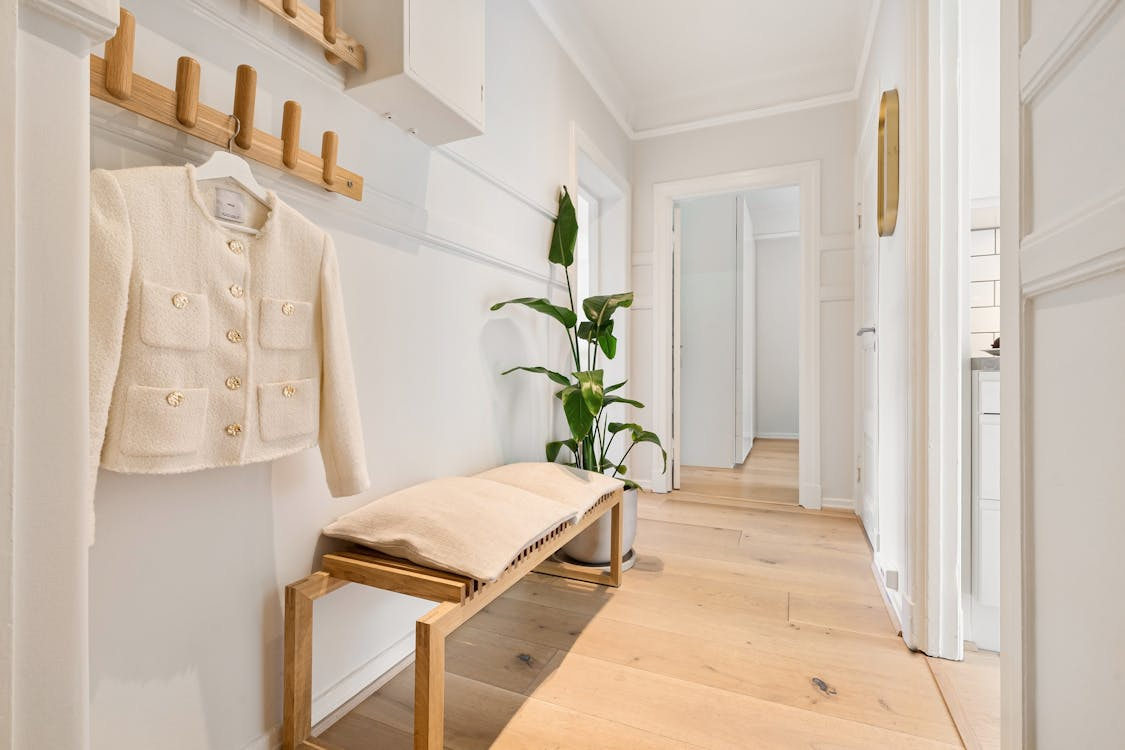
This might include a tray for keys and wallet, hooks for bags and jackets, a bin for shoes, and a small surface for mail. The exact setup matters less than clarity. Each item should have an obvious, easy destination.
When the landing zone is visible and accessible, using it becomes automatic.
Why One Small Zone Beats Whole-House Organization
Trying to keep an entire home organized is overwhelming. Focusing on one small zone creates immediate impact.
The landing zone works because it intercepts clutter at the source. Instead of cleaning up messes later, you prevent them from forming in the first place.
This single habit often indirectly improves the rest of the house. When items don’t pile up at the door, they’re more likely to make it to their proper places.
Check Small Habit Tweaks That Make You Look More Organized Than You Feel to reinforce visual order.
Designing a Landing Zone That Actually Gets Used
A landing zone only works if it’s more convenient than the floor or counter. Hooks should be at a reachable height. Trays should be large enough to catch items without precision.
Avoid overloading the space with options. Too many hooks or bins create confusion. Fewer, clearly assigned spots reduce hesitation.
If multiple people use the space, assign each person a defined area. Shared zones without boundaries quickly become cluttered again.
See A Simple Trick to Remember Names When You First Meet Someone for another habit system.
Common Mistakes That Undermine the System
One common mistake is making the landing zone too neat. If it requires careful placement, it won’t be used consistently.
Another mistake is expecting the zone to handle everything. It should only manage daily-use items. Rarely used items belong elsewhere.
Finally, failing to reset the zone periodically allows overflow. A quick daily or weekly reset keeps the system functional.
How the Landing Zone Reduces Mental Load
The landing zone doesn’t just organize objects. It organizes decisions. When you walk in, you don’t think about where things go. You follow the pattern.
That reduction in decision-making lowers stress at the end of the day. Coming home feels calmer because the environment absorbs your arrival instead of amplifying it.
Over time, the habit becomes invisible. You don’t notice yourself using the landing zone. You notice that the entryway stays clear.
Read The 5-Minute Night Routine That Makes Mornings Way Easier to build small reset habits.
Making the Habit Stick Long-Term
To lock the habit in, always use the landing zone even when you’re tired or rushed. Consistency matters more than perfection.
If items regularly miss the zone, adjust the setup instead of blaming yourself. Systems should adapt to behavior, not the other way around.
Once the landing zone works, entryway clutter stops being a recurring problem and becomes something you rarely even think about.