
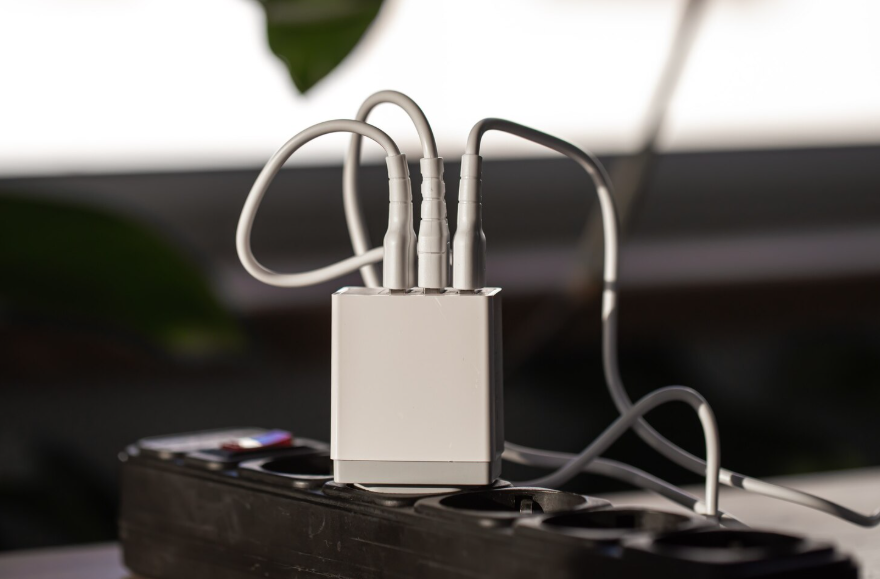
Learning how to keep cables from tangling isn’t about buying organizers or labeling everything. It’s about giving cables a predictable shape and home.
Cables don’t tangle because they’re poorly designed. They tangle because they’re stored without intention. Chargers get tossed into drawers, bags, or bins where movement and pressure twist them together. Untangling becomes a recurring annoyance that wastes time and shortens cable life.
One simple storage habit can stop this cycle entirely by controlling how cables rest when they’re not in use.
Why Cables Tangle So Easily
Cables are flexible by design. That flexibility allows them to coil, loop, and twist under even slight movement. When cables are loose in a drawer or bag, friction and motion do the rest.
Another issue is mixed storage. When multiple cables share the same space without separation, they naturally wrap around one another. The more often the drawer or bag is opened, the worse the tangle becomes.
The problem isn’t carelessness. It’s physics combined with randomness.
Explore Why Labeling Cords and Remotes Saves So Much Frustration Later for additional cable organization tips.
The Over-Under Wrap That Solves the Problem
The simplest way to prevent tangling is to store cables using a consistent wrap. The most effective method is the over-under method, which alternates the coil’s direction.
Instead of wrapping the cable the same way each time, you alternate loops so the cable lies flat instead of twisting internally. This reduces tension and prevents knots from forming.
Once wrapped, the cable naturally uncoils smoothly instead of springing into a mess.
Securing the Wrap Without Bulk
After wrapping, secure the cable so it can’t loosen. You don’t need bulky organizers or expensive cases.
Reusable ties, small Velcro straps, or even a simple rubber band work well. The key is keeping the coil intact so it doesn’t unravel in storage.
Avoid tight knots or bends, as they can damage internal wires over time. Gentle loops protect both order and function.
Read Small Household Items That Quietly Raise Your Utility Bills to manage device-related costs.
Giving Cables Individual Homes
Even well-wrapped cables tangle when stored loosely together. Separation matters.
Assign each cable its own space. This could be a small bin, divider, pouch, or drawer section. The goal is to prevent cables from contacting each other during movement.
If space is limited, grouping by size or function still helps. Phone chargers together. Laptop cables together. Fewer interactions mean fewer tangles.
Why Drawers Cause More Problems Than You Think
Drawers feel convenient, but they’re often the worst place for loose cables. Opening and closing shifts contents repeatedly, encouraging coils to loosen.
If you use a drawer, add internal dividers or small containers to stabilize each cable. Without structure, the drawer works against you.
Bags and backpacks benefit even more from wrapped storage. Movement is constant, so containment matters.
See The ‘Cost Per Use’ Trick That Changes How You Shop for smarter replacement decisions.
How This Habit Extends Cable Life
Tangling isn’t just annoying; it’s damaging. Repeated twisting stresses internal wires and connectors, leading to fraying and failure.
Proper wrapping reduces strain at connection points and prevents sharp bends. Over time, cables last longer and perform more reliably.
This saves money and prevents last-minute frustration when a cable fails unexpectedly.
Making the Habit Automatic
The habit sticks when it’s easier to do than not to do. Keep ties attached to cables so they can be secured immediately.
Wrap cables immediately after unplugging them. Don’t set them down “just for now.” That delay is when tangles begin.
Once you experience a drawer or bag where cables stay neat, the habit reinforces itself.
Check A 15-Minute Weekly Home Reset That Prevents Big Messes for maintaining clutter-free spaces.
When to Replace Instead of Untangle
If a cable is already damaged, no amount of organization will fix it. Frayed insulation or loose connectors are signs that it’s time to replace.
Starting fresh with a simple wrapping habit prevents new cables from suffering the same fate. An organization works best when paired with a clean slate.