Knowing how to label cords and cables is a habit that works because it eliminates the need for repeated decision-making in moments when patience is already low.
Few household frustrations feel as unnecessary as unplugging the wrong cord or pressing buttons on the wrong remote. These moments aren’t significant problems, but they’re repeated often enough to create constant low-grade annoyance.
Labeling cords and remotes is one of those small organizational steps that feels optional until you do it once and wonder why you waited so long.
Why Cords and Remotes Become a Problem Over Time
Most homes accumulate devices gradually. A new TV, a streaming box, a soundbar, a game console. Each addition brings another cord or remote.
At first, everything is obvious. Over time, devices move, setups change, and memory fades. Cords start to look identical. Remotes pile up on tables and couches.
Because nothing breaks immediately, the confusion becomes normalized.
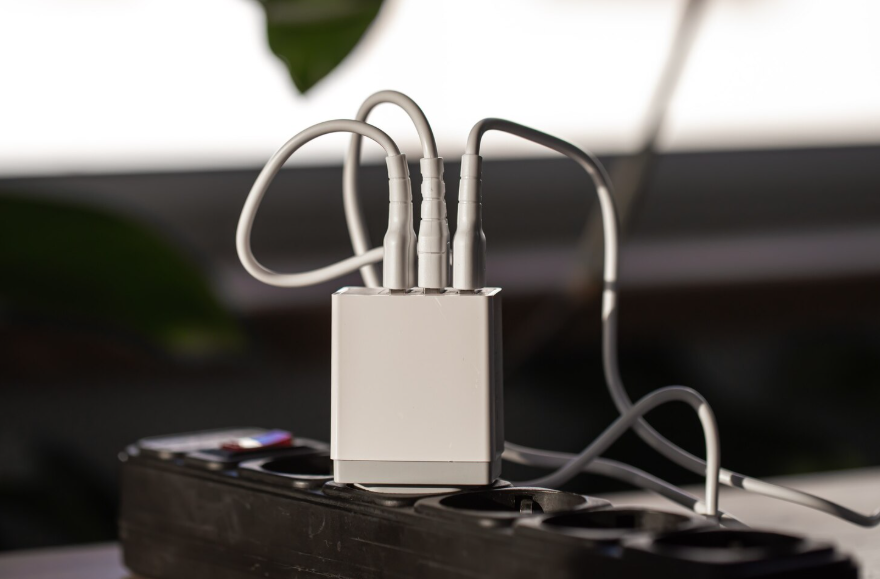
See A Simple Way to Keep Cables and Chargers From Tangling for better cable control.
How Unlabeled Cords Create Unnecessary Risk
Unlabeled cords aren’t just annoying; they’re risky. Unplugging the wrong cable can interrupt updates, damage devices, or reset settings.
This is especially frustrating with routers, external drives, and smart home hubs. One wrong unplug can cause a cascade of problems that take time to fix.
Labeling removes uncertainty and prevents mistakes before they happen.
Why Remotes Cause More Friction Than They Should
Remotes are designed to look sleek, not distinct. Many are nearly identical in size, color, and button layout.
When multiple remotes sit together, trial and error becomes the default method. You press buttons, wait, and repeat.
That friction adds up, especially for shared households or guests unfamiliar with the setup.
The Simple Labeling Approach That Works Best
Labeling doesn’t need to be elaborate. Simple, visible identifiers are enough.
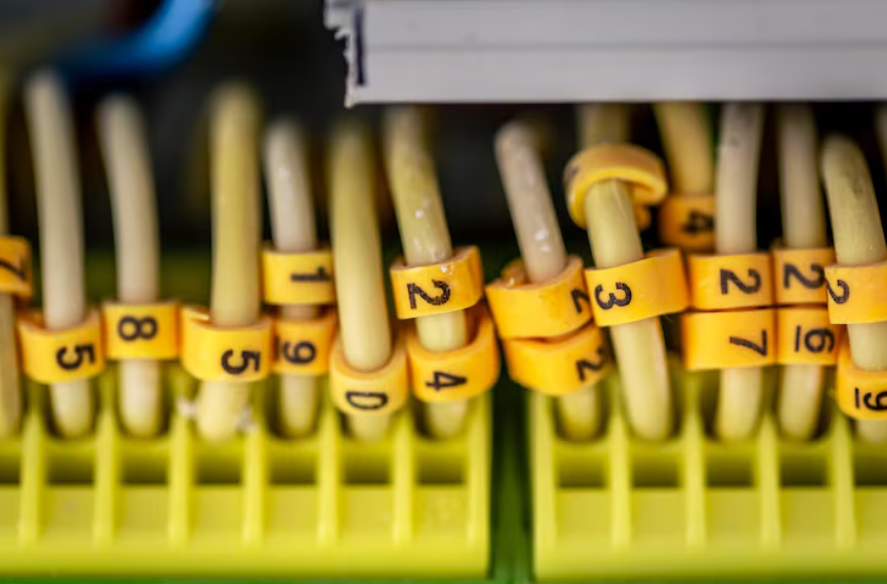
For cords, small adhesive labels, masking tape, or even folded paper secured with clear tape work well. Write what the cord connects to, not just the device type, but the actual destination.
For remotes, small labels on the back or bottom avoid visual clutter while staying accessible.
Learn Small Habit Tweaks That Make You Look More Organized for simple changes that reduce friction.
Why Placement Matters More Than Aesthetics
Labels should be readable without having to rearrange everything. Hidden labels defeat the purpose.
Place cord labels near the plug end, not buried behind furniture. Place remote labels where hands naturally grip or flip the remote.
This ensures the information appears exactly when it’s needed.
How This Saves Time in Small but Frequent Moments
Labeling saves seconds at a time, but those seconds repeat constantly. Plugging in devices, troubleshooting, cleaning, rearranging, or helping someone else use the system all become easier.
Instead of stopping to think, you act immediately. That mental ease reduces frustration far more than expected.
Over weeks and months, the payoff becomes obvious.
Explore The Easiest Way to Stop Losing Important Receipts for a quick time-saving system.
Why This Helps Other People More Than You
Even if you remember what everything does, others won’t. Guests, partners, kids, or future-you benefit most from labels.
Clear labeling removes the need for explanations. People can solve problems independently without asking questions or guessing.
This makes shared spaces smoother and reduces interruptions.
When to Do the Labeling for Maximum Effect
The best time to label is during setup or home reorganization. But the second-best time is now.
You don’t need to label everything at once. Start with the most confusing area, such as behind the TV, near the router, or in the entertainment center.
Once you see the benefit, labeling spreads naturally.
Making Labels That Last
Use materials that won’t peel easily. If using tape, reinforce it. If using stickers, press them firmly and avoid dusty surfaces.
Clear handwriting matters more than fancy design. The goal is clarity, not appearance.
Durable labels prevent the need to redo the work later.
Check out Where to Place Smoke and CO Detectors for Better Safety for another high-impact upgrade.
Why This Is a High-Return Habit
Labeling cords and remotes takes minutes. The frustration it prevents lasts for years.
It removes a recurring annoyance, prevents mistakes, and makes everyday interactions smoother.
This is one of those rare habits where the effort is tiny, the benefit is constant, and the payoff never expires.