Replacing this one tool more often improves hygiene, cleaning effectiveness, and even kitchen smell with almost no effort.
Kitchens can look clean while still harboring one of the dirtiest tools in the house. That’s because the most commonly forgotten cleaning item isn’t obvious, expensive, or dramatic.
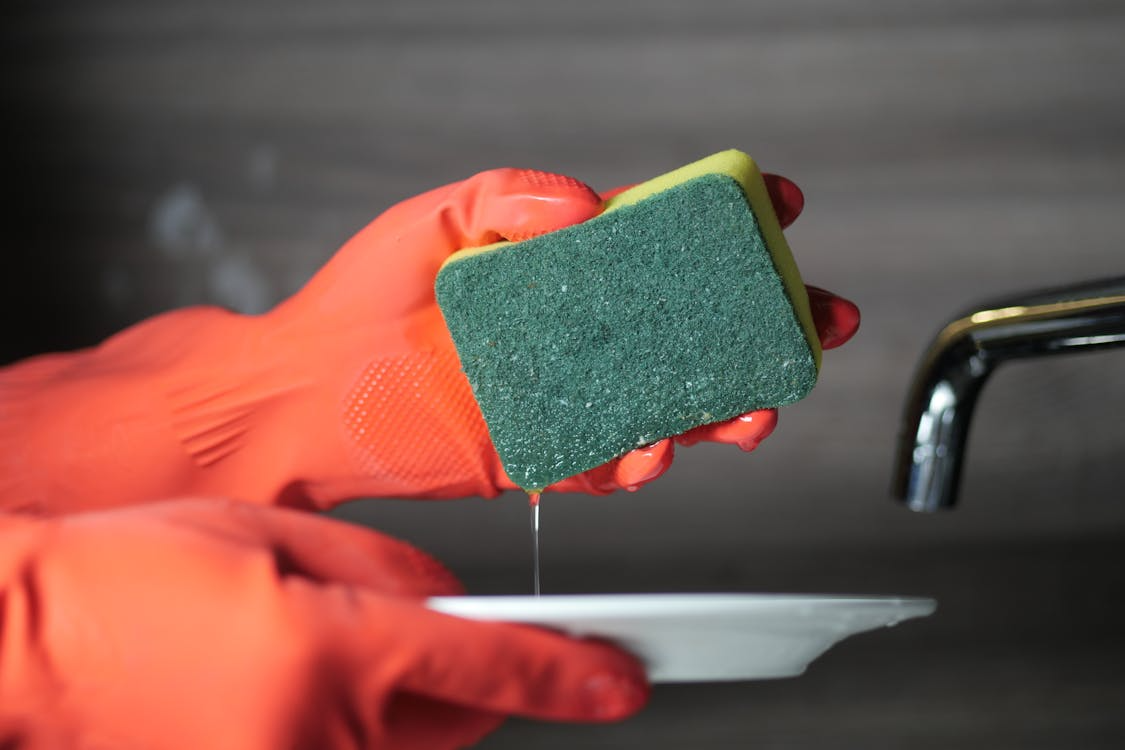
Knowing how often to replace a kitchen sponge is one of the simplest upgrades you can make. Used daily, constantly damp, and rarely replaced on time, sponges quietly become breeding grounds for bacteria.
Why Sponges Get So Dirty So Fast
Kitchen sponges are designed to absorb liquid, trap debris, and scrub surfaces. That combination makes them incredibly useful and incredibly vulnerable.
Food particles get trapped deep inside the sponge. Moisture keeps the environment warm and damp. Each use adds more bacteria, even after the sponge is rinsed.
Because sponges don’t look dirty right away, people keep using them far past their safe lifespan.
Explore The Laundry Mistake That Makes Towels Stiff (And How to Fix It) to improve cleaning habits.
Why Rinsing Isn’t Enough
Rinsing removes visible residue, but it doesn’t remove bacteria embedded in the sponge’s porous structure. Even thorough rinsing leaves behind microorganisms that multiply quickly.
Microwaving or boiling sponges can temporarily reduce bacteria, but it doesn’t restore the sponge or make it safe indefinitely. The structure still degrades and continues trapping contaminants.
Cleaning a dirty sponge is not the same as replacing it.
How Often Sponges Should Actually Be Replaced
Most kitchen sponges should be replaced every one to two weeks, depending on use. Heavy-cooking households may need to replace them even more often.
If a sponge smells bad, feels slimy, or no longer rinses clean, it’s already overdue. Odor is a sign of bacterial buildup, not just moisture.
Waiting until a sponge falls apart means you’ve waited far too long.
See The Grocery List Method That Reduces Food Waste to maintain a cleaner kitchen system.
Why Old Sponges Clean Worse
As sponges degrade, they spread grime rather than remove it. Bacteria and residue transfer from surface to surface, undermining the entire cleaning process.
This creates a false sense of cleanliness. Counters may look wiped down, but contamination spreads invisibly.
A fresh sponge cleans more efficiently and requires less effort to achieve the same result.
Common Signs It’s Time to Replace Your Sponge
Visual wear isn’t the best indicator. Smell is more reliable. A sour or musty odor means bacterial growth is established.
Discoloration, fraying edges, or a sponge that stays slimy after rinsing are also warning signs.
If you hesitate before using a sponge because it feels unpleasant, that’s your cue to replace it.
Better Alternatives That Still Need Replacement
Some people switch to scrub brushes, silicone scrubbers, or washable cloths. These options can be more hygienic, but they’re not maintenance-free.
Brushes still need regular cleaning. Clothes need frequent washing. Silicone tools resist bacteria better but still accumulate residue.
No cleaning tool lasts forever. Replacement is part of hygiene, not failure.
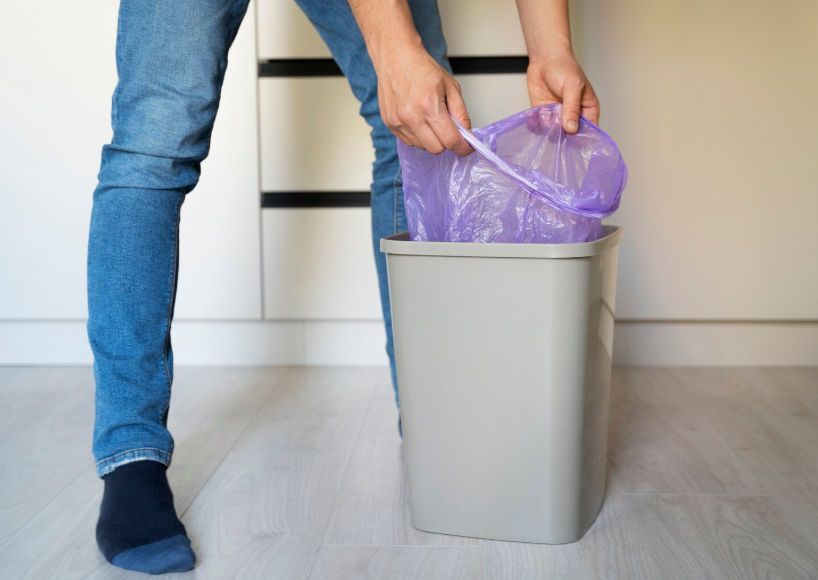
Read Why You Should Always Put a Trash Bag in the Bottom of Your Bathroom Bin for another hygiene upgrade.
Making Replacement Automatic
The easiest way to ensure sponges are replaced on time is to remove decision-making from the equation. Keep a small backup supply under the sink.
When you replace one, put the next replacement on your grocery list immediately. This keeps the cycle going without thought.
Some people tie sponge replacement to a recurring reminder or weekly routine. Simplicity makes the habit stick.
Explore A 15-Minute Weekly Home Reset That Prevents Big Messes to reinforce maintenance habits.
Why This Small Change Matters
Replacing sponges more often reduces exposure to bacteria where food is prepared. It improves cleaning results without stronger chemicals or extra scrubbing.
It also removes a hidden source of kitchen odor that many people never identify.
Once you understand how often to replace a kitchen sponge, replacement becomes routine instead of reactive, and your kitchen stays cleaner with less effort.