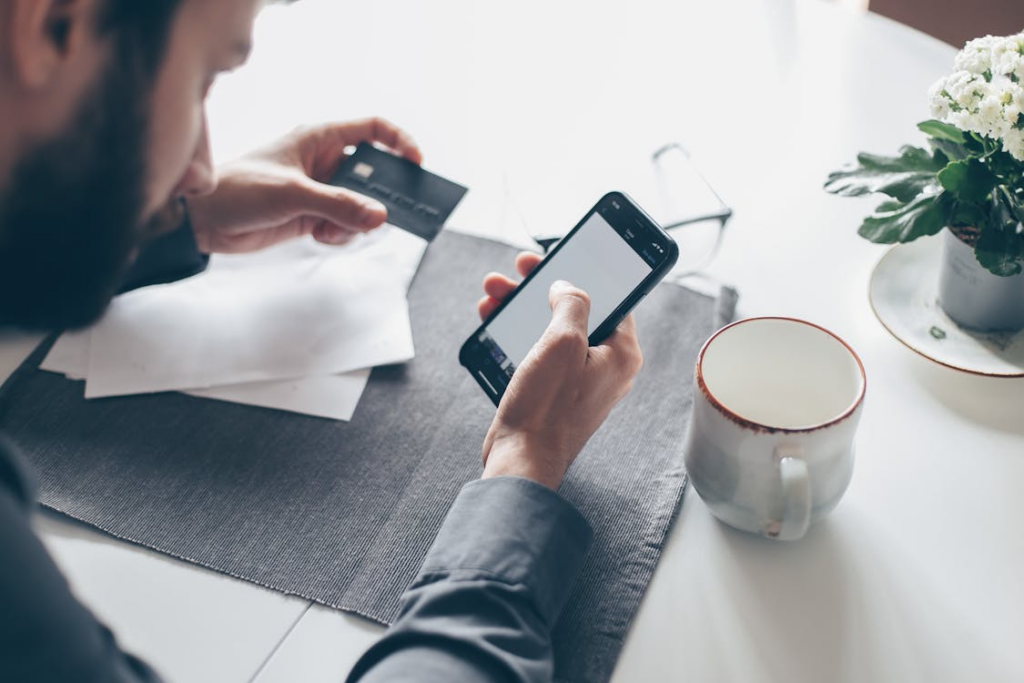

This 24-hour rule for impulse buying works because most impulse urges are temporary. What feels urgent now often feels optional tomorrow.
Impulse purchases rarely feel impulsive in the moment. They feel justified. Something is on sale, time-limited, or emotionally appealing, and buying it feels like a reasonable decision. The regret usually comes later, once the urgency fades. The 24-hour rule interrupts that cycle by adding a short pause between desire and action, without requiring discipline or deprivation.
Why Impulse Buying Is So Easy
Modern shopping environments are engineered to create a sense of urgency. Limited-time offers, countdown timers, and “only a few left” messages push decisions into emotional territory.
When emotions are high, the brain prioritizes immediate reward over long-term value. Logic gets sidelined. The purchase feels good because it resolves tension quickly.
The 24-hour rule doesn’t fight that response. It waits for it to pass.
Explore How to Spot Shrinkflation Before You Buy to avoid hidden price increases.
What the 24-Hour Rule Actually Is
The rule is simple: when you want to buy something on a whim, wait 24 hours before buying it.
That’s it: no budgeting, no analysis, no restrictions. Just delay.
If you still want the item after 24 hours, you can buy it guilt-free. If not, the money stays with you.
Why Waiting Changes How Purchases Feel
Time removes emotional pressure. After a day, scarcity messaging loses power, and urgency fades.
You start to see the purchase in context. Do I already have something similar? Where would this live? How often would I actually use it?
These questions don’t feel accessible in the heat of the moment. The pause creates space for them to surface naturally.
Learn Why Setting a Weekly “Money Minute” Actually Works to reinforce the habit.
How Often the Urge Disappears
Most impulse buys don’t survive a full day. The excitement that drove them fades, replaced by indifference or mild relief that you didn’t spend the money.
This doesn’t mean the item was bad. It means the desire was situational, not sustained.
Over time, noticing how often urges pass builds trust in the rule.
When the Rule Is Especially Effective
The 24-hour rule works best for non-essential items, online shopping, and purchases tied to mood rather than need.
Clothing, home decor, gadgets, and novelty items fall squarely into this category. These are items that feel appealing in the moment but aren’t usually urgent.
The rule also works well during sales, when perceived savings push people to buy things they wouldn’t otherwise consider.
Read The One Grocery Store Habit That Leads to Overspending to spot hidden triggers.
What to Do During the Waiting Period
You don’t need to actively think about the item. In fact, it’s better if you don’t.
Save the link, take a photo, or write the item down, then move on. The goal is not to obsess, but to let time do the filtering.
If the item keeps coming back to mind without prompting, that’s useful information.
Why This Rule Doesn’t Feel Restrictive
Unlike strict budgets or spending bans, the 24-hour rule doesn’t say no. It says not yet.
That subtle difference matters. It reduces resistance and makes the habit easier to maintain.
You’re not denying yourself. You’re checking whether the desire is real or just momentary.
Check out The Subscription Check You Should Do Every 3 Months to reduce recurring spending leaks.
Turning the Rule Into a Default Habit
To make the rule automatic, decide in advance which purchases require the pause. For example, anything over a certain dollar amount or anything not on a list.
When the trigger appears, the response is already decided. Wait 24 hours.
Over time, impulse buying slows naturally. Spending becomes calmer, more intentional, and far less regretful.