This approach works because most performance loss comes from inefficiency, not failure.
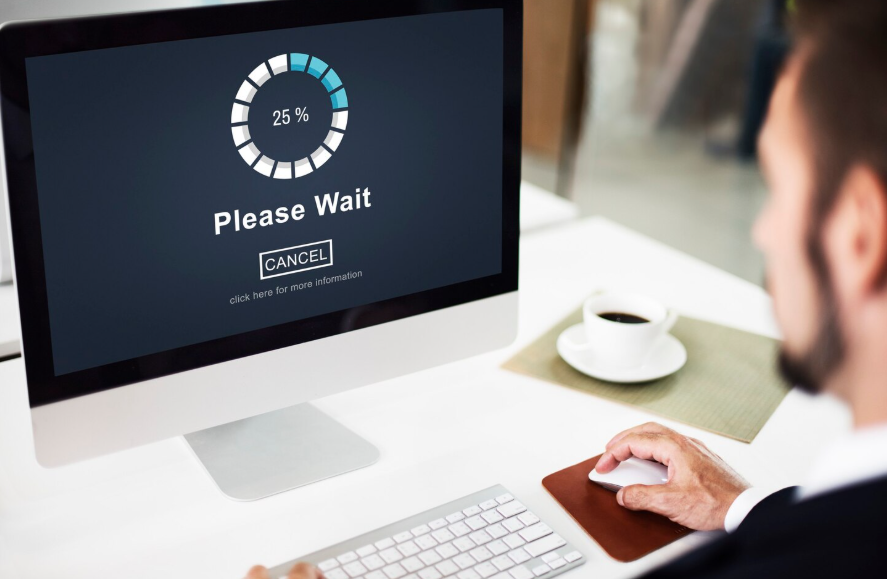
A slow laptop often feels like a hardware problem, but in most cases, it’s a buildup problem. Over time, software, background processes, and startup clutter quietly consume resources, leaving everyday tasks feeling frustratingly sluggish.
Learning how to speed up a slow laptop doesn’t involve new parts or technical expertise. It involves removing the accumulated, unnecessary load.
Why Laptops Slow Down Over Time
New laptops feel fast because they start clean. As time passes, apps install background helpers, system updates add features, and files accumulate without organization.
Many programs launch automatically at startup, competing for memory and processing power before you even open a browser. Temporary files and caches build quietly, taking up storage and slowing read speeds.
None of this happens dramatically. That’s why performance decline feels mysterious.
Explore The One Browser Setting That Makes Online Reading Easier to simplify browsing performance.
The One Change With the Biggest Impact
The single most effective way to speed up a slow laptop is to reduce what runs at startup.
Startup programs determine how much of your system’s power is already consumed before you begin working. Many apps automatically add themselves to the startup, even when they don’t need to.
Disabling unnecessary startup items frees memory, shortens boot time, and makes the entire system feel more responsive immediately.
Read How to Make Your Phone Battery Last Longer Without Turning Everything Off to reduce background drain
How to Identify Unnecessary Startup Programs
Most laptops provide a simple list of startup items in system settings or task management tools. This list shows which programs launch automatically and how much impact they have.
Focus on apps you don’t need immediately when turning on your laptop. Messaging apps, media launchers, and update helpers are common offenders.
Disabling them doesn’t uninstall the app. It only prevents automatic launch.
Why Storage Space Affects Speed More Than You Think
When storage is nearly full, laptops slow down significantly. The system needs free space to manage temporary files, updates, and memory swapping.
Deleting unused files, old downloads, and large media you no longer need can quickly restore breathing room. Moving files to external storage or cloud services helps even more.
Aim to keep at least 15–20 percent of storage free for optimal performance.
See The Easiest Way to Stop Losing Important Receipts to organize digital files better.
Background Apps and Silent Resource Drains
Some apps continue running even after you close them. These background processes consume memory and CPU without visible signs.
Review which apps are allowed to run in the background and disable those that don’t need constant access. This reduces hidden load and improves responsiveness.
Fewer background tasks mean more power available for what you’re actually doing.
Why Restarting Still Matters
Many people rarely restart their laptops, relying instead on sleep or hibernation. While convenient, this allows processes to linger indefinitely.
Restarting laptops clears memory, applies updates properly, and resets background processes. Doing this regularly prevents slowdowns caused by long-running tasks.
A simple restart can feel like a reset button for performance.
When Browser Habits Are the Real Problem
Web browsers are often the heaviest programs running. Too many tabs, extensions, and plugins slow everything down.
Closing unused tabs, removing unnecessary extensions, and clearing browser caches can produce immediate improvement. Using fewer extensions significantly reduces background activity.
If your laptop feels slow only when browsing, the browser is likely the bottleneck.
Explore Phone Settings You Should Change Right After Getting a New Device for proactive tech maintenance.
What Not to Do
Avoid installing “speed booster” or “cleaner” apps that promise dramatic improvements. Many add more background processes and offer little benefit.
Manual cleanup and startup control are safer, more effective, and don’t introduce new problems.
If performance issues persist after basic cleanup, hardware upgrades may help—but they’re rarely the first solution.
Making Speed Maintenance a Habit
To keep your laptop fast, review startup programs every few months. Delete files you no longer need and restart regularly.
These small habits prevent a gradual slowdown and extend your device’s useful life.
Most importantly, they restore performance without cost or complexity.