When packing matches how you actually travel, not how you imagine you might, everything inside gets used.
Packing a carry-on often feels efficient, but many people still arrive with items they never touch and essentials they wish they’d packed differently. The issue isn’t space; it’s intention. Most carry-ons are packed for hypothetical situations rather than for real travel behavior.
Learning how to pack a carry-on efficiently means focusing on likelihood, access, and reuse so every item earns its place.
Why Most Carry-Ons End Up Half-Wasted
Overpacking usually comes from anxiety. People pack “just in case” items to feel prepared, even if those items rarely leave the bag. Extra shoes, backup outfits, and specialty items take up space but don’t match real needs.
Another issue is poor accessibility. Items buried under layers might as well not exist. If something requires unpacking half the bag to reach, it’s unlikely to be used.
The result is a carry-on filled with dead weight instead of functional tools.
Explore The 24-Hour Rule That Stops Impulse Purchases to prevent panic packing.
Packing Around Activities, Not Days
One of the most effective shifts is packing activities into days instead of days into activities. Instead of planning outfits for each day, plan clothing around what you’ll actually be doing.
For example, pack one outfit for travel days, one for casual outings, and one for nicer settings. Choose pieces that mix easily instead of standalone outfits.
This travel packing approach reduces duplication and increases flexibility. Each item supports multiple situations rather than a single specific scenario.
Choosing Multi-Use Items on Purpose
Multi-use items are the backbone of an efficient carry-on. Shoes that work for walking and casual dinners. Layers that dress up or down. Toiletries that serve more than one purpose.
The goal isn’t minimalism; it’s versatility. If an item only solves one narrow problem, it’s less likely to be used.
When everything in the bag has at least two roles, nothing feels wasted.
Read The ‘Cost Per Use’ Trick That Changes How You Shop for smarter travel wardrobe choices.
Packing Order Matters More Than You Think
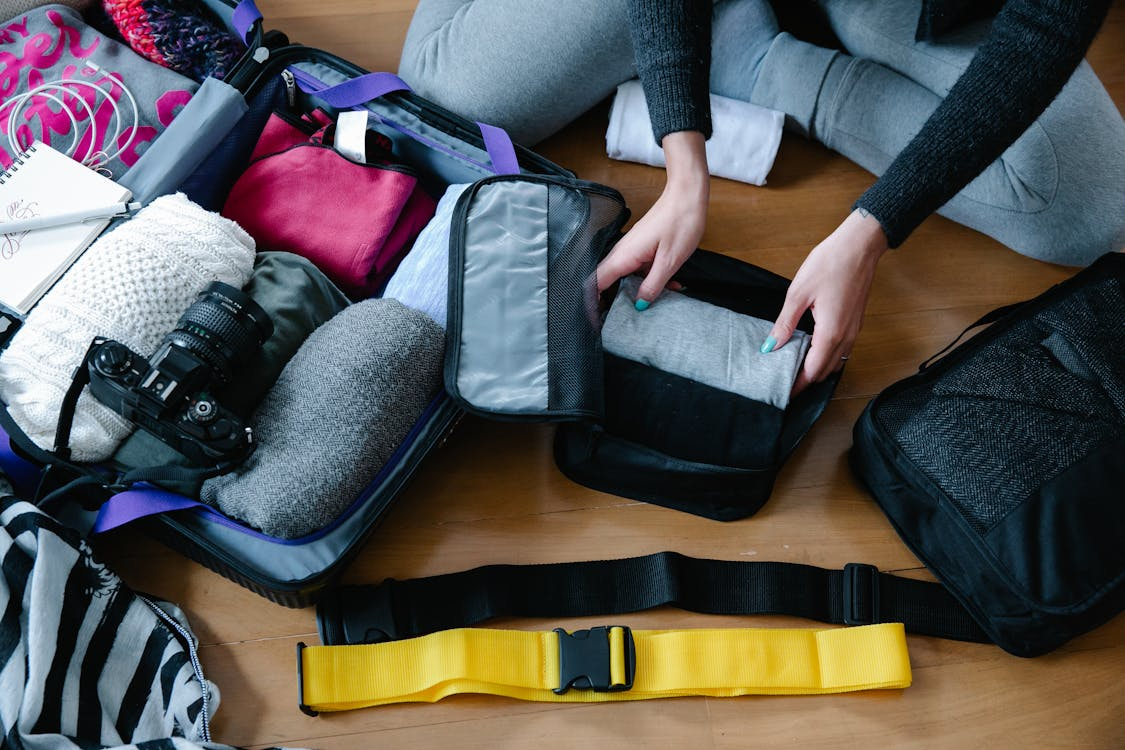
How you pack affects what you use. Items you need first should be packed last, near the top or in external pockets.
Travel documents, chargers, toiletries, and a change of clothes should be accessible without unpacking everything else. This reduces friction and prevents rummaging.
When items are easy to reach, you’re more likely to use them instead of improvising or going without.
See A Simple Way to Keep Cables and Chargers From Tangling for organized travel gear.
Limiting Shoes and Bulky Items
Shoes are the fastest way to waste carry-on space. Most trips only require one extra pair beyond what you’re wearing.
Choose shoes that match multiple outfits and purposes. Avoid packing shoes “just in case.” If you don’t already have a reason to wear them, they won’t get used.
Bulky items should always justify their space. If something takes up a third of the bag, it should be used daily.
The “Would I Pack This Again?” Test
Before closing your bag, do a quick test. Look at each item and ask, “Would I pack this again knowing how this trip will go?”
If the answer is no, remove it. This question cuts through anxiety and forces realism.
Over time, this test teaches you what you actually use when traveling, making future packing easier.
Check How to Make Your Phone Battery Last Longer for smoother travel days.
Why Fewer Items Lead to Better Travel
A carry-on packed with intention makes travel smoother. Less time searching. Less weight to manage. Fewer decisions each day.
When everything in the bag has a clear purpose, the bag works with you instead of against you. Travel becomes simpler not because you brought less, but because you brought the right things.