Organization is mainly visual. When the most noticeable areas are controlled, everything else feels more manageable by comparison.
Looking organized and feeling organized are not the same thing. Most people who appear put together aren’t running complex systems or spending hours maintaining order. They rely on a few small habits that show how to look more organized in visible, high-impact ways, even when life behind the scenes is busy or imperfect.
These tweaks don’t require a personality change. They work because they focus on what’s seen first and most often.
Why Visual Order Matters More Than Total Order
The brain judges organization based on quick scans rather than deep inspections. Clear surfaces, contained items, and predictable placement signal control, even if closets and drawers aren’t perfect.
This is why a tidy desk can make someone seem organized, even if their digital files are chaotic. Visibility shapes perception more than completeness.
By focusing on high-impact areas, you get most of the benefit with a fraction of the effort.
Explore How to Make Your Phone Battery Last Longer Without Turning Everything Off for simple efficiency wins.
Containing Instead of Sorting Everything
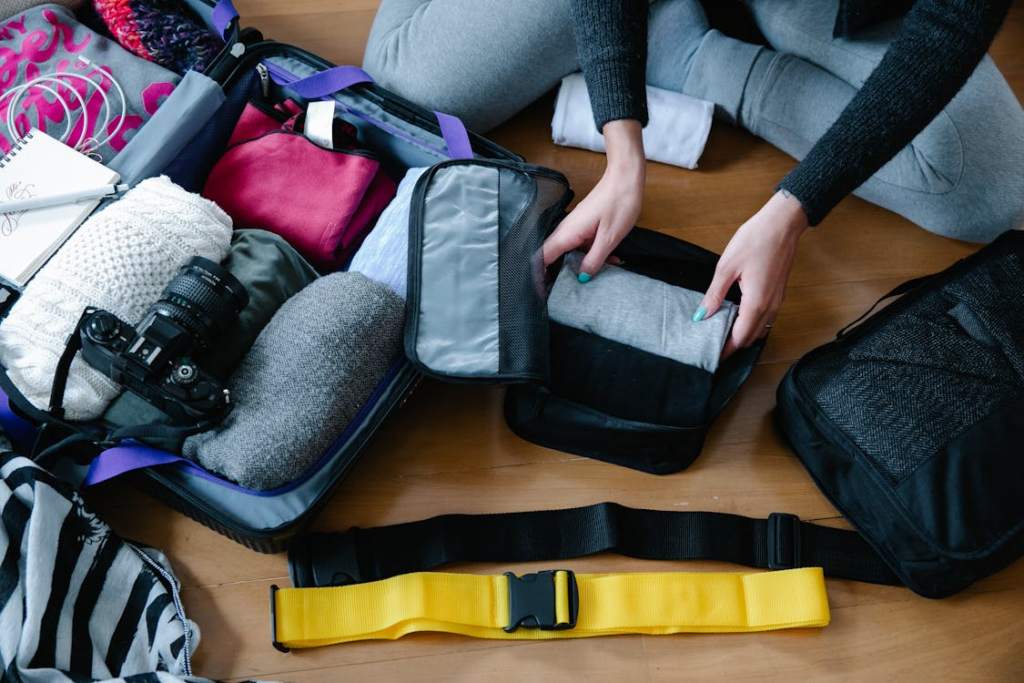
One of the easiest ways to look organized is to keep loose items contained rather than sorting them perfectly. Baskets, trays, and bins turn visual chaos into intentional storage.
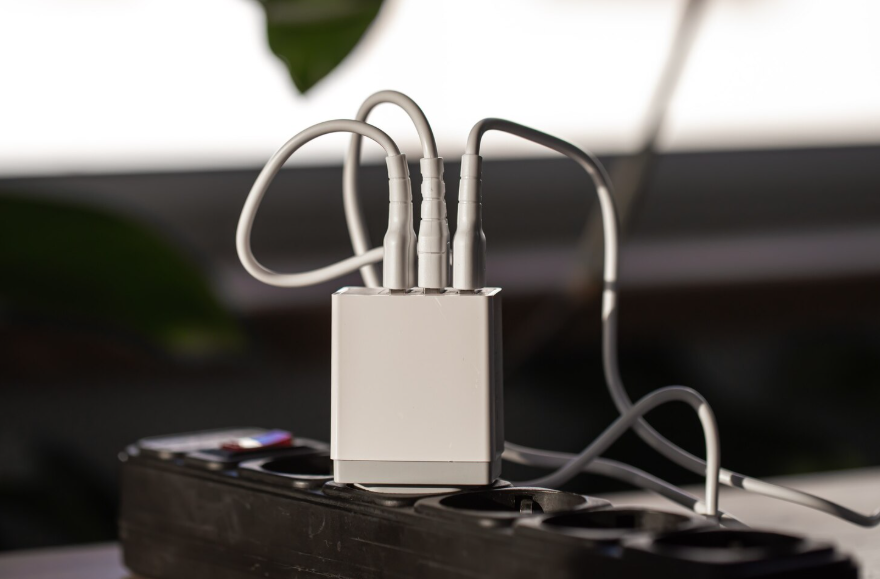
For example, a tray for keys and mail looks deliberate, even if the contents change daily. A basket for chargers feels tidy, even if the cords aren’t neatly wrapped.
Containment creates boundaries. Boundaries create order.
Creating Default Drop Zones
Disorganization often comes from hesitation. When there’s no obvious place to put something, it lands wherever is easiest.
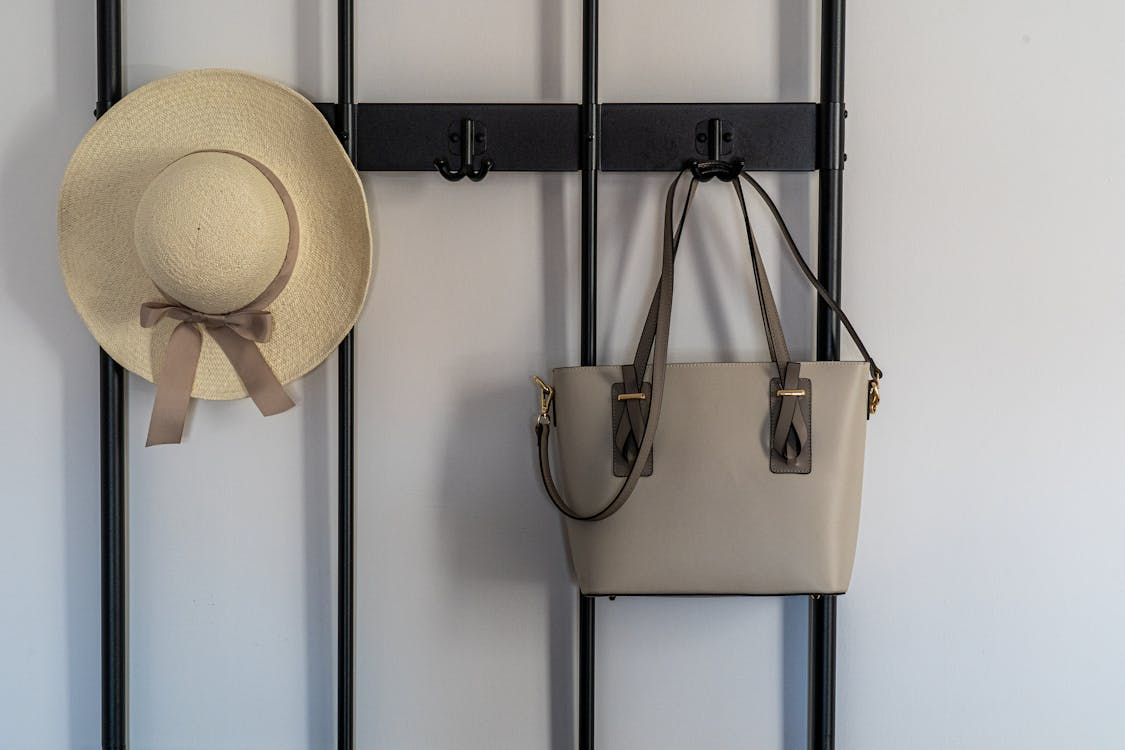
Creating default drop zones solves this. Shoes go here. Bags go there. Daily-use items live in predictable spots. The goal isn’t beauty—it’s clarity.
When placement becomes automatic, mess doesn’t get a chance to form.
See Phone Settings You Should Change Right After Getting a New Device for better digital organization.
Resetting One Thing Consistently
Trying to reset everything leads to burnout. Consistently resetting one thing creates visible stability.
This might be clearing the kitchen counter each night, making the bed every morning, or resetting your desk before logging off. One reliable reset point anchors the space.
Even if the rest of the room is imperfect, that single reset makes everything feel more under control.
Check out How to Use Your Calendar to Avoid Late Fees and Penalties for structured daily systems.
Using Fewer, Better Tools
Too many organizers often create more clutter, not less. When every item has its own system, maintenance becomes overwhelming.
Using fewer containers that serve clear purposes simplifies decisions. One inbox. One charging station. One paper folder.
Fewer systems mean fewer opportunities for things to fall apart.
Letting “Good Enough” Be the Goal
Perfection is the enemy of consistency. Small habits only stick when they feel achievable on tired days.
Straightening a pile is better than sorting it. Closing a drawer is better than reorganizing it. Putting something near its home is better than leaving it out.
These small wins compound visually, even if you still feel behind internally.
Read How to Make Your Home Feel Cleaner Without Deep Cleaning for quick visual resets.
How These Tweaks Change Perception Over Time
When spaces consistently reset in small ways, people stop noticing minor messes. Order becomes the dominant signal.
You may still feel busy or scattered internally, but the environment tells a calmer story. That feedback loop matters. When your space looks manageable, your brain treats it that way.
Over time, feeling organized often follows looking organized—not the other way around.