
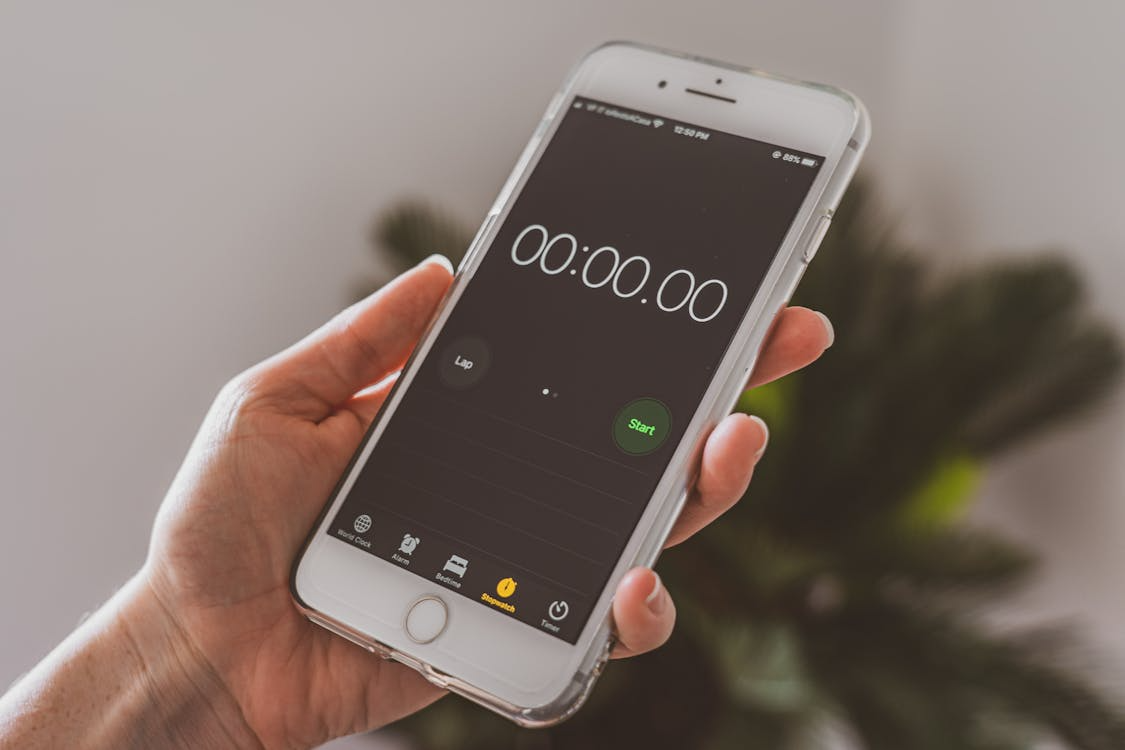
The 10-minute productivity timer approach works not because ten minutes is a lot of time, but because it’s small enough to feel safe. You’re not committing to finishing the task. You’re committing to beginning it.
Productivity advice often assumes you need long stretches of focus to get anything meaningful done. In reality, that assumption is what stops many people from starting at all. When a task feels too big to finish, the brain avoids it. A simple 10-minute timer bypasses that resistance and turns inertia into motion.
Why Starting Is Harder Than Working
Most procrastination happens before a task begins. Once you’re engaged, momentum usually carries you forward. The problem is the mental friction at the start.
Big tasks trigger uncertainty. Where do I start? How long will this take? What if I don’t finish? A 10-minute limit collapses those questions. The brain no longer has to solve the whole problem, just a short, defined slice of it.
That reduction in perceived effort is often enough to get you moving.
See Small Habit Tweaks That Make You Look More Organized Than You Feel for similar low-effort upgrades.
How a Timer Changes Your Brain’s Relationship With Work
A timer creates a boundary. Instead of work feeling endless, it has a clear start and stop. This makes the effort feel contained rather than consuming.
Knowing the task will end soon reduces anxiety and perfectionism. You don’t have to do your best work. You have to show up for ten minutes.
Paradoxically, this often leads to better focus. When time is limited, distractions lose their pull, and attention sharpens naturally.
Why Ten Minutes Is the Sweet Spot
Ten minutes is long enough to make visible progress but short enough to avoid burnout. Five minutes can feel rushed. Twenty minutes can feel intimidating. Ten sits in the middle.
It’s also flexible. You can do one session or stack several together if momentum builds. The key is that the initial commitment stays small.
Because the bar is low, the habit becomes easier to repeat. Consistency beats intensity over time.
Explore A 15-Minute Weekly Home Reset That Prevents Big Messes for another short-burst strategy.
Where This Method Works Best
The 10-minute timer is especially effective for tasks you’ve been avoiding. Cleaning, organizing, writing, admin work, and emails all respond well to short bursts.
It’s also useful for maintenance tasks that don’t feel urgent but matter over the long term. Small, regular effort prevents backlog buildup.
Even creative work benefits. Starting is often the most challenging part, and ten minutes is enough to break through the blank-page barrier.
Check The 5-Minute Night Routine That Makes Mornings Way Easier to build momentum.
What Happens When the Timer Ends
When the timer goes off, you have a choice. You can stop or keep going. Both options count as success.
Stopping reinforces trust. You told yourself you’d give yourself ten minutes, and you honored that promise. That makes it easier to start again later.
Continuing happens naturally when momentum kicks in. Many people find they want to keep going because the most challenging part is already over.
Why This Beats Traditional To-Do Lists
Long to-do lists emphasize outcomes rather than actions. They remind you of everything you haven’t done yet, which increases avoidance.
A timer shifts focus to the process. You’re not asking, “Can I finish this?” You’re asking, “Can I work on this for ten minutes?”
That reframing makes productivity feel approachable rather than overwhelming.
Read Why Setting a Weekly ‘Money Minute’ Actually Works for consistent micro-habits.
Making the Habit Stick
To make this work consistently, pair the timer with a specific trigger. For example, set a 10-minute timer right after lunch or before checking messages.
Keep the rule simple: start the timer, work on one task, stop when it rings. No multitasking, no planning during the session.
Over time, you’ll notice tasks feel smaller, resistance fades faster, and progress accumulates quietly.